

Every Drop Counts : How Paolo Tealdi Is driving the sustainable turnaround of Principi di Butera in Sicily

Amelia Caffarra
Communication scientifique.



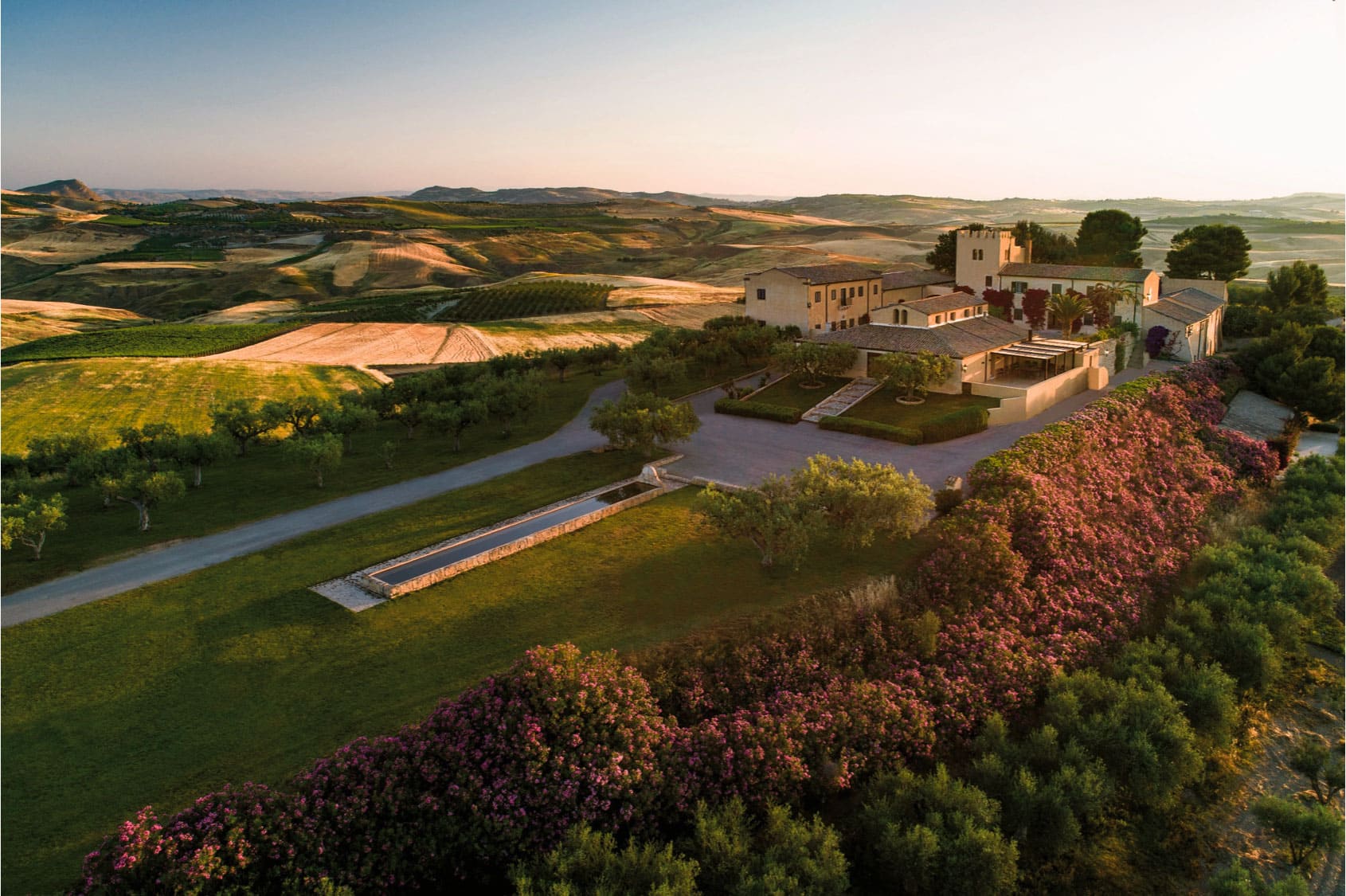
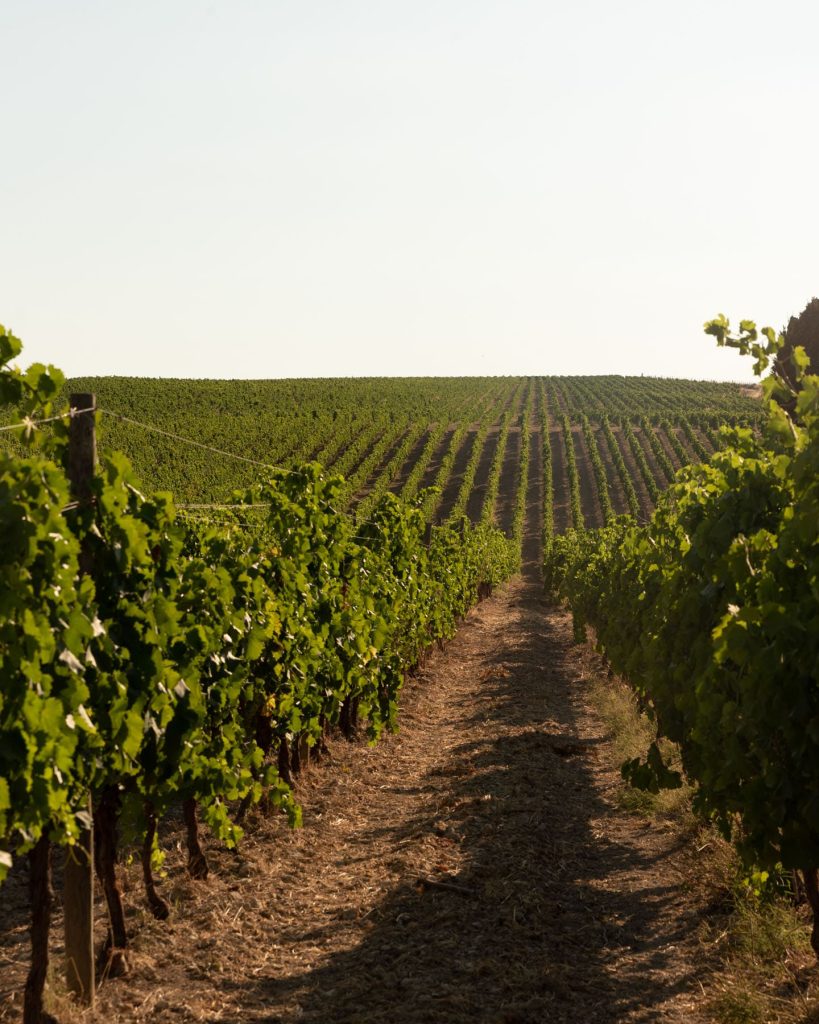
In the hills around Butera, in southern Sicily, Nero d’Avola finds one of its most convincing expressions. We’re in the Riesi DOC (province of Caltanissetta), a long-established area for Sicily’s key indigenous varieties.
The growing environment is defined by hot, dry conditions, tempered by sea breezes moving inland from the coast, while high solar radiation drives canopy development and fruit composition. Together, these factors shape both ripening dynamics and wine style, producing structured red wines with clear varietal and regional identity.
Within this context, Principi di Butera, part of the Zonin1828 group, has embarked on a major operational rehabilitation—focused on vineyard recovery, water management and long-term sustainability.
Site conditions
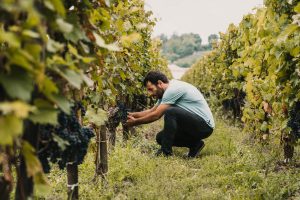
Leading the transition is Paolo Tealdi, a Piedmont-born winemaker with extensive experience across the Langhe and Monferrato, appointed estate director in 2023.
“We’re on calcareous hill formations at 250–350 metres above sea level, only about 10 kilometres from the sea,” Tealdi explains. “That gives us constant natural ventilation, strong light, and a meaningful day–night temperature variation—factors that help keep ripening balanced.”
Compared to northern Italy, he notes, vine phenology runs earlier.
“Sicily’s mild winters mean we see an advance of roughly one month compared with the north. This year, even with late pruning, the canopy was already well developed by March.”
Summer conditions then slow the pace.
“High temperatures and prolonged dry periods limit vegetative growth. Harvest typically runs from early August for sparkling wine bases—where acidity is critical—through to early October for still red wines.”
Climate variability has added further complexity.
“When I arrived in 2023, vineyard condition was poor and required extensive recovery work. But the site potential was immediately clear. The task was to rebuild the vineyard system and translate that potential into consistent, identifiable wines.”
A tight team, vineyard to winery
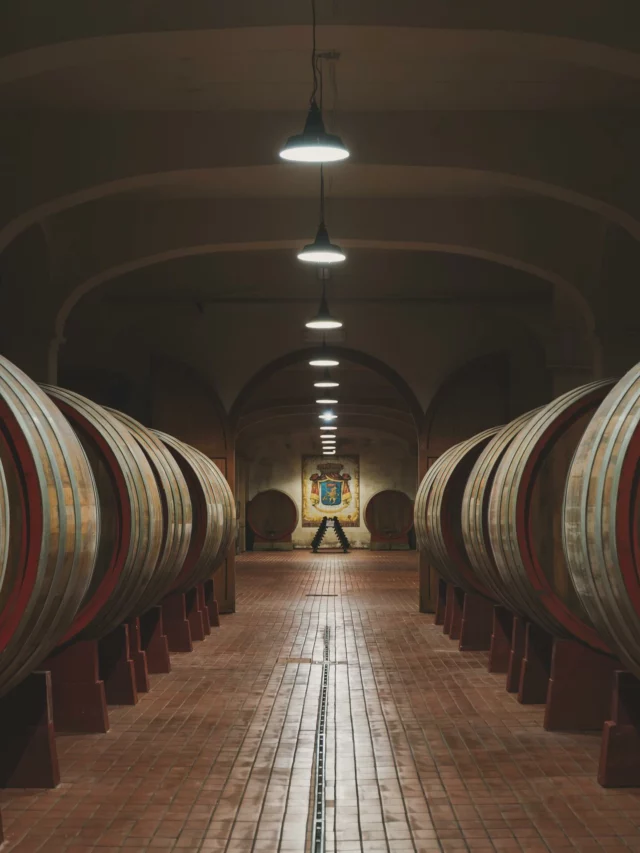
Tealdi works closely with Gianluca Peirano, the estate’s viticulture manager and a long-time collaborator from Piedmont. Their approach is based on communication and joint decision-making.
“Gianluca and I are on the same page. I trust his experience, which is critical—especially in a climate like this, where conditions can force quick decisions.”
Together, they have restructured the estate’s operations: 125 hectares of vineyards, partial replanting with indigenous varieties including Nero d’Avola, Grillo and Inzolia, a full upgrade of irrigation infrastructure with systems designed for fertigation, winery workflow adjustments, and a gradual shift toward more sustainable vineyard practices.
Sustainability as an operating framework
For Tealdi, sustainability is not a buzzword, but an operating vision made tangible through through daily management choices.
“We’ve implemented phytoremediation systems, rainwater recovery, cover cropping, and composting of winemaking residues,” says Tealdi. “We also grow wheat, almonds and olives for agritourism, all within the estate. The goal is an integrated agricultural model where inputs and outputs are connected.”
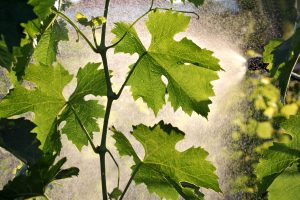
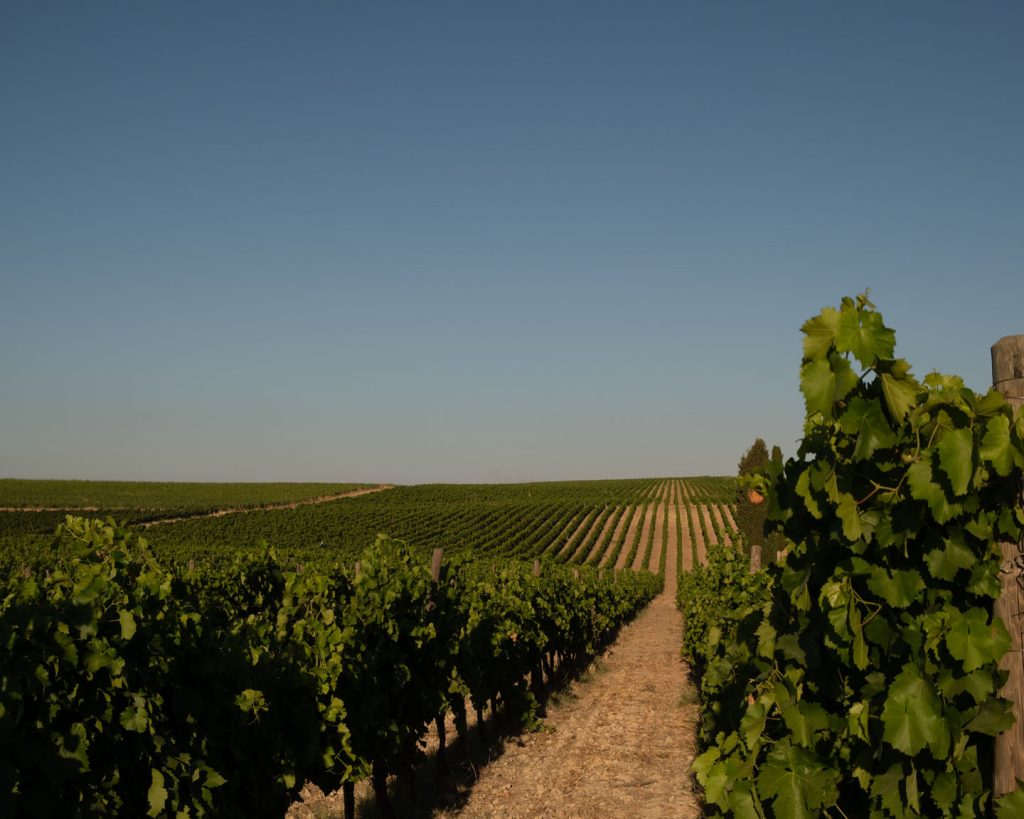
In Sicily’s climate, water management is central. Summer drought can last for months, and vine water stress may occur as early as June. Under these conditions, irrigation decisions directly affect vine balance, yield stability and wine quality.
Using decision support to manage irrigation
To support irrigation planning, the estate has used the Vintel® decision-support system since 2018. Today, it is fully integrated into vineyard management.
“We don’t irrigate to push yields,” Tealdi says. “The objective is to maintain the vine’s physiological balance. Vintel® helps us identify when intervention is necessary—and when it isn’t.”
The irrigation module is the most actively used component. It allows the team to anticipate water stress, compare seasons, and estimate vine water requirements at different phenological stages.
“In 2023, we had virtually no rainfall from March through October. In 2024, rainfall continued until May. In that kind of variability, experience alone isn’t enough. You need objective data to make clear decisions.”
Precision where it matters most
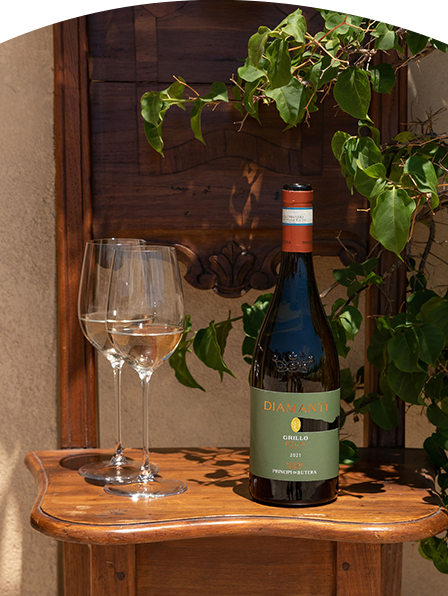
Tealdi’s objective is clear: produce wines that reflect their Sicilian origin while remaining consistent, balanced and genuinely enjoyable to drink. Vineyard management decisions—from pruning to harvest timing—are made with defined quality targets and long-term vineyard performance in mind.
“Technology doesn’t replace the technician,” he says. “It helps us make better decisions—especially when climate becomes unforgiving.”
As Principi di Butera continues to expand its presence in international markets, the priority is building a resilient production model—one that can adapt to climate variability while remaining sustainable and maintaining wine quality year after year.
“True sustainability means making quality wines today without compromising our ability to do the same tomorrow. And to get there, every drop counts.”
Contact us now and ask for a demo!